
When I introduce Mediterranean Studies to students, I ask them what comes to mind when they hear the word Mediterranean. Some answers include “beaches” or “Greece.” Sometimes, I get more thoughtful answers, like “the Crusades” or “Romanization.” Eventually, I ask about food, and we get to the two staples of the Mediterranean diet, grapes and olives, or, as my students timidly say in fear of getting scolded because they think I’m a puritan, wine and olive oil! (It’s no secret I enjoy both in high moderation).
Few things are more Mediterranean than the grape and the olive. In fact, both grow quite well in the Mediterranean Basin, and nearly every Mediterranean society has both at the center of their cuisines, with a few exceptions. Muslims generally don’t consume wine, but many still do consume grapes and raisins.
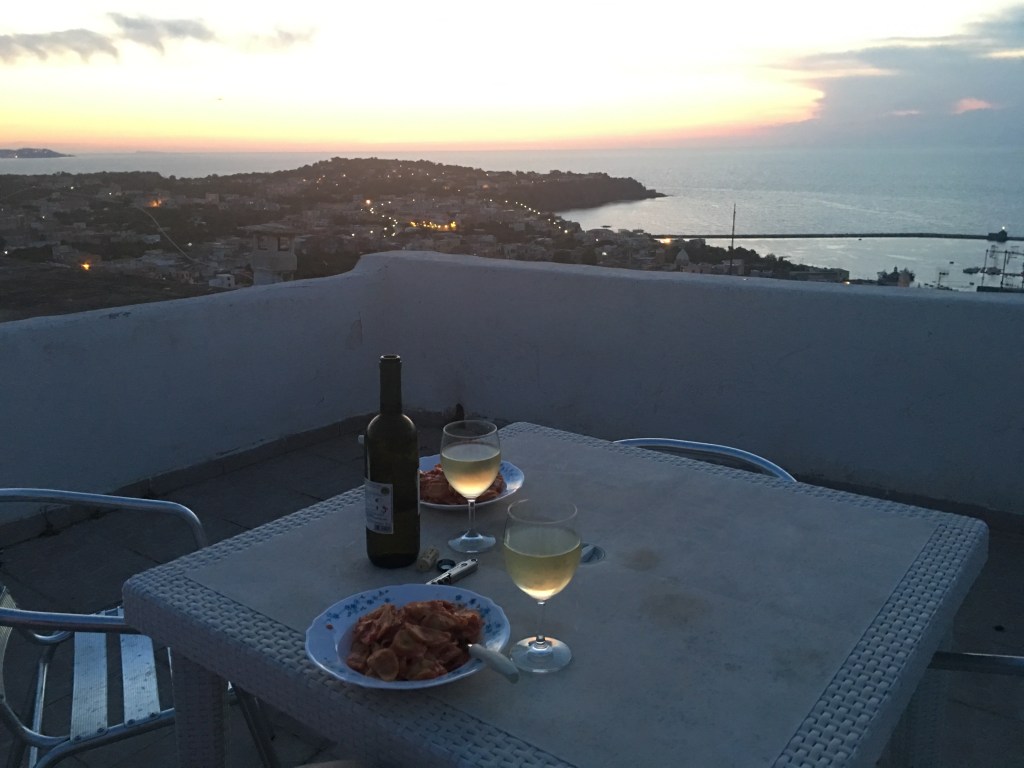
Evidence of olive and grape production and consumption go back further than Homer, who talked often about the myriad uses of olive oil, or even refers to the Mediterranean itself as the wine-dark sea. Olive oil has been produced since at least 6000 years before Christ, and wine is just about as old. The oldest known winery, found in Armenia, dates to about 4000 years before Christ. Clearly, we’ve been enjoying the fruits of the Middle Sea for quite some time.
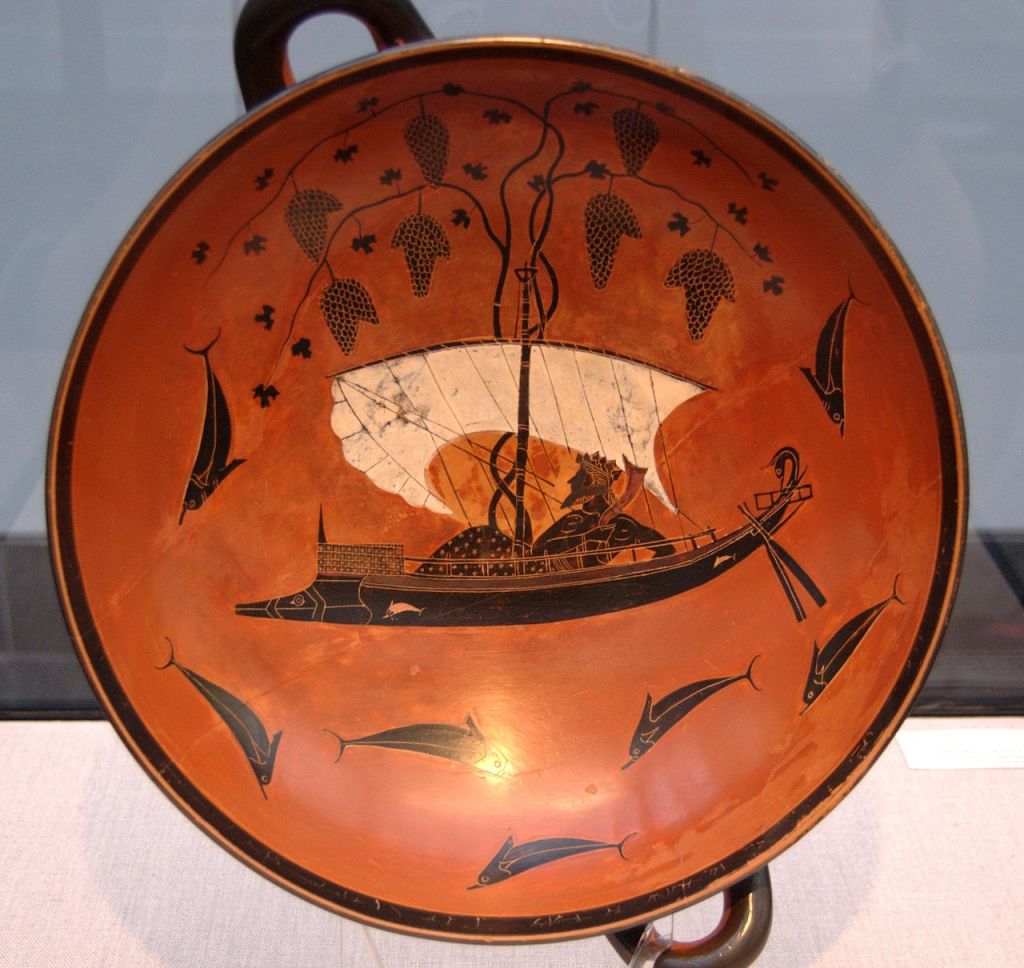
What’s most interesting to me about the grape and the olive is how both have become cultural symbols rather than just things to be eaten and drunk. When we think about Greek pottery, for example, images of the god Dionysus, or Bacchus as the Romans called him, usually come to mind. The fact that there even was a god of wine should tell us all we need to know about how central the grape was to the societies teeming around the Middle Sea, especially the Greeks and Romans. According to the Roman army commander and naturalist Pliny the Elder, “The majesty of Rome has accorded the olive-tree great honor by crowning our cavalry squadrons with wreaths of olive on the Ides of July and also when celebrating minor triumphs.” And he explained that the best wines grew in Italy, even imported Greek varietals, a subtle reminder that the Romans had come to dominate the Mediterranean. Overall, then, both crops held in important place in the high culture of the day.
But both could be labor intensive. While grape vines grow wild, they can be tedious to maintain and to keep clear of parasites. And olives are no less difficult, especially since, as Pliny again reminds us, it’s best not to wait for the olives to fall; you have to pick them at the right moment, or the oil will be bitter and greasy, not nearly as sweet as one my desire. The need to ensure that grapes and olives are picked at the right time meant that a labor force was needed, but not for very long. They had other tasks, such as pressing the grapes or olives. And for this, you needed either big strong animals or big strong men. The latter could be had in most port cities, especially in the winters, in the form of galley rowers with little else to do, and vice versa.

In the town of Muro Leccese, in rural Puglia, Italy, local olive press workers, who spent their days grinding olives into oil, were conscripted to row galleys in the famed Battle of Lepanto in 1571, which pitted the Holy League of Venice, the Papacy, and Spain against the Ottoman Turks. Upon their return, some of them etched their victory over the Muslim Turks onto the walls of the olive press to share their stories and impress their friends, but also probably to pass the time during a hard day’s work.
For all their positives, the plants weren’t always producers of good things, like beverages to drink, condiments for food, or even jobs, brutal as that work might be. If Pliny is any indication of things, which he often is, “Greeks, progenitors of all vices, have diverted the use of olive-oil to serve the ends of luxury.” And as far as wine goes, Pliny didn’t hold back:
Meanwhile, even in the most favourable circumstances, the intoxicated never see the sunrise and so shorten their lives. This is the reason for pale faces, hanging jowls, sore eyes and trembling hands that spill the contents of full vessels; this the reason for swift retribution consisting of horrendous nightmares and for restless lust and pleasure in excess. The morning after, the breath reeks of the wine-jar and everything is forgotten – the memory is dead. This is what people call ‘enjoying life’; but while other men daily lose their yesterdays, these people also lose their tomorrows.
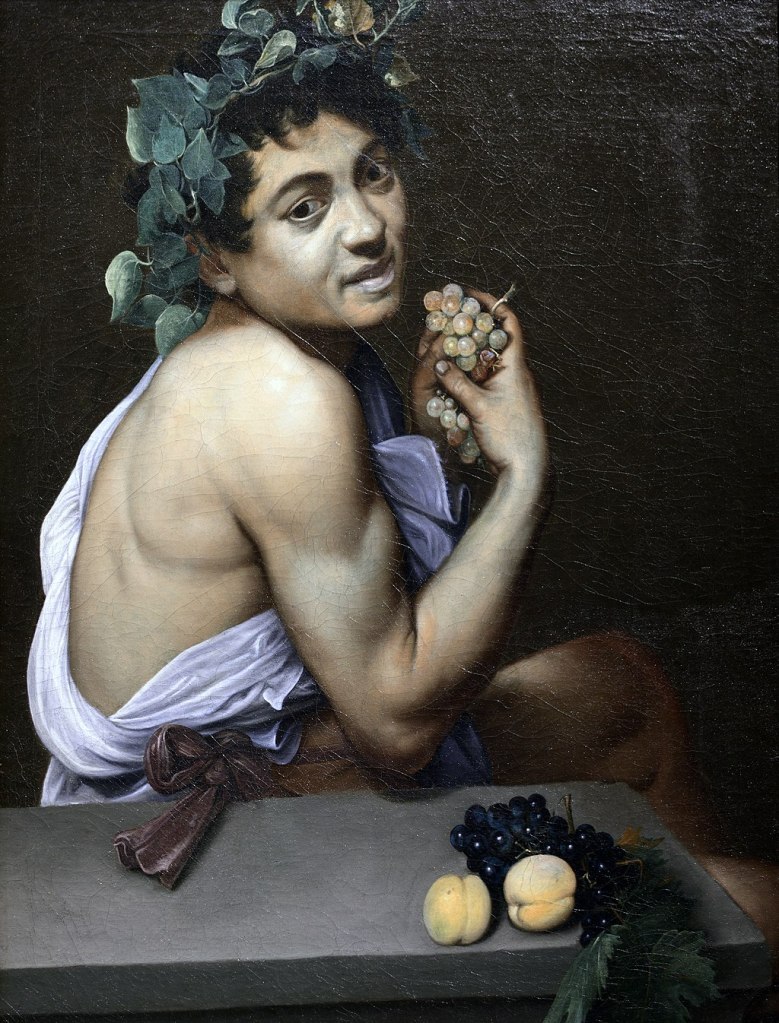
Things got so bad that the Romans even tried to ban the cult of Bacchus in 186BC because they believed it was causing too many problems with people running into the hills getting drunk and having wild orgiastic sex. Even in the Renaissance, wine still didn’t shake the stigma. One look at Caravaggio’s Young Sick Bacchus, and you’ll know exactly what I mean.
While Pliny might be a bit of a buzzkill and Caravaggio’s painting might make you think twice about how much wine you drink, both men’s preoccupations with wine, and others’ focus on the olive, betray how integral those crops were to his world. And it’s fun to see how just two plants can say so much about the world they grow in. Virtues and vices; foodstuffs and labor; wars and weather. All these things are so intertwined. Next time you eat at a Mediterranean restaurant, whether it’s Levantine, Turkish, French, Moroccan, Spanish, or Italian (but not Olive Garden!), think about the olive and the grape and how they tell us as much about the soil they grew in as they do the societies that consumed them.

