
My essay, “Pope as Arbiter: The Place of Early Modern Rome in the Pan-Mediterranean Ecumenical Visions of Eastern Rite Christians,” appeared in A Companion to Religious Minorities in Early Modern Rome, edited by Matthew Coneys Wainwright and Emily Michelson. The book brought together a dozen scholars whose various perspectives on the experiences of religious minorities in the Eternal City provide wonderful insights into what it meant to be in Rome in the age of the Inquisition and Index of Forbidden Books when you weren’t Catholic. For an overview of the book as a whole, the editors held this fantastic webinar book launch that explores all of the essays.

I first became involved with this project several years ago, when I met Emily Michelson, a brilliant historian at St Andrews, while I was a Fellow at the American Academy in Rome. We chatted about Rome, religious minorities, and other things over pizza at the famed Dar Poeta.
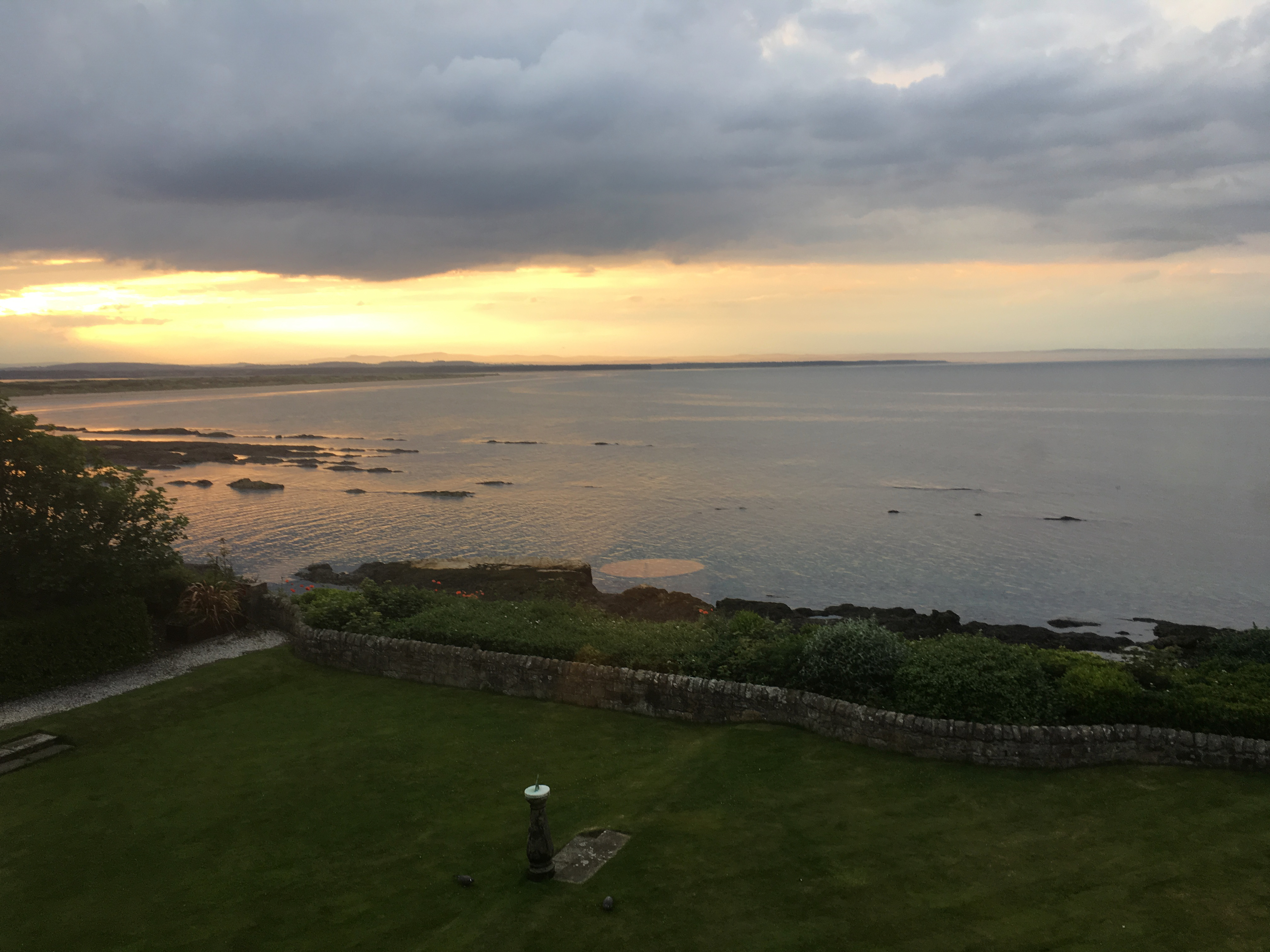
She then invited me to come present some of my research at St Andrews in June, which was my first trip to Scotland. It was a great time to go. Anyone who’s been to Rome in mid-June knows how it can be stiflingly hot. I remember getting off the plane in Rome at about 10pm. It must’ve been 80º and unbelievably humid. How I wished I were still in Scotland, where I needed a sweater in the evenings.
The product of that presentation was my essay on Eastern Christians who came to Rome. My essay traced the experiences of a Syrian patriarch, Tibetan cousins, and a renegade cleric who all mysteriously showed up in Rome without anyone expecting their arrival. Each came for different reasons, left when they felt it was time to do so, or stayed because it was expedient. They saw Rome not as the center of some powerful force that dominated the world, but as a place to get something they wanted or leave if they didn’t get it. They went to pilgrimage churches, celebrated Easter, helped popes reform the calendar, and tried to convince important Catholics to help them out in some way in their homelands.
The important thing that I hoped to convey in this essay was that Eastern Christians had their own view of themselves, their community, and Rome that was totally independent of Rome’s view of itself and of them. I aimed to show that Eastern Rite Christian communities, though often at odds with one another, all saw the sitting pope as an esteemed Christian leader, even if not the head of all Christians.
What I enjoyed most about writing about these traveling Christians were the anecdotes that range from the unexpectedly amazing to the downright bizarre. Popes washed their feet, alligators ate previous pilgrims who never made it, and some lied through their teeth to convince popes to send missionaries, money, and goods back to their homelands.
These stories showed a really complex story, one where Christians regardless of denomination understood that they shared the same faith, even if they didn’t always agree on how it worked. This led them to believe that they just might be able to find common ground. This didn’t always work, of course. But it’s a reminder that early modern Rome was a global city, but what that meant was not always Rome’s to define.
 Robert Clines, Ph.D.