

After a full day in the ancient core of the city, I like to move beyond the Aurelian Walls. These walls, built in the late third century during the reigns of Emperors Aurelian and Probus, were for centuries the confines of the city. Really, there wasn’t much outside the walls after antiquity until Rome became the capital of Italy in 1870 and the population boomed. Now, much of the city has sprawled across what used to be vineyards and countryside. But, if you know where to look, there is plenty of that old rustic Rome left just outside the walls.
I am talking about the Queen of Roads, the Via Appia Antica! In English we call it the Appian Way, but its nickname “regina viarum,” Queen of Roads, captures how important this first superhighway was for Rome. It was its lifeblood, connecting the city with Southern Italy. Begun in 312BC, the road was extended a few times and reached all the way to Calabria and Puglia.
The students and I don’t walk the whole thing, of course, but I like to have the students walk a little bit of it so they can get a feel of what it must have been like to approach or leave ancient Rome. Either direction has much to offer, as you either leave the deafening city madness or are wowed by Rome’s immensity. We’ll do this walk as an exit of Rome, mainly because one of our first stops on the walk, the Museo delle Mura, is only open in the morning.
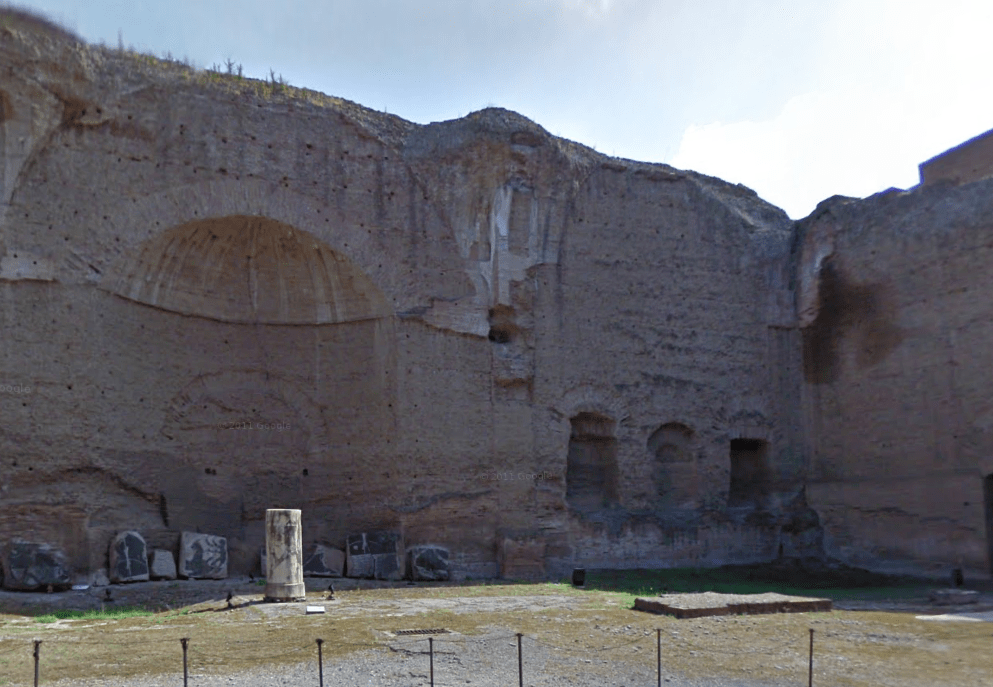
We begin our walk at the Circus Maximus. From there, we pass the Baths of Caracalla, a massive third-century bath complex that give the students a sense of the immensity of Roman infrastructure and engineering. There, I usually give the students a brief overview of Roman bath culture and why such structures were not really considered luxuries, but essential parts of Roman life. From the Baths, we continue down the Via di Porta San Sebastiano and pass the Tomb of the Scipios, one of Rome’s most famous families. Depending on time, we might pop in. But since it’s reservation only for groups of 12, it can be a challenge.
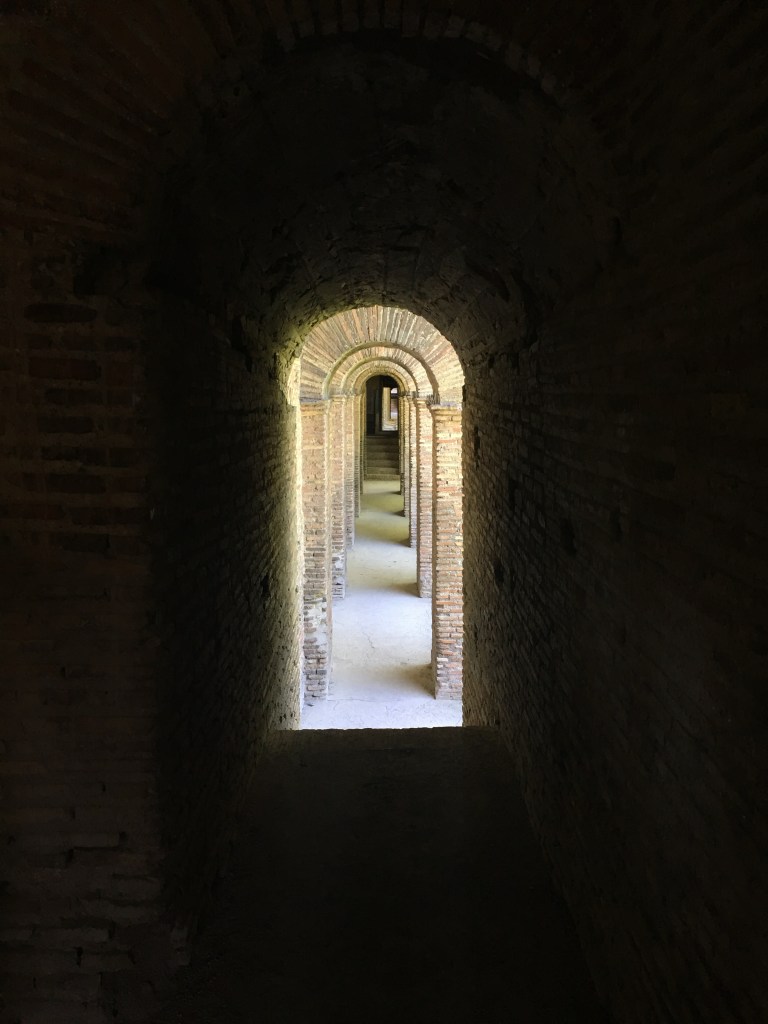
As you head south from the Porta San Sebastiano, watch out! Via Appia Antica is a narrow street with little room for pedestrians, so pay attention to the traffic patterns.
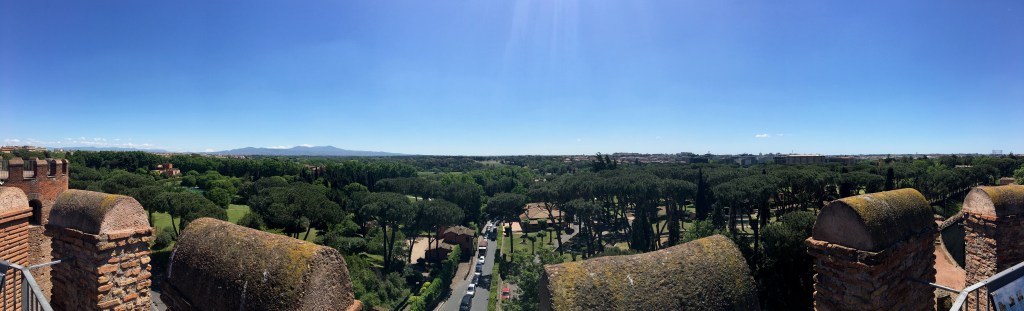
Eventually, we reach the end of Via di Porta San Sebastiano, which is, of course, the Porta San Sebastiano, in antiquity the Porta Appia. Inside the gate is the Museo delle Mura, or the Museum of the Walls. I love this little museum. It’s free admission and has cool explorations of the history of the Aurelian Walls. You can climb the turrets of the gate and walk on the inside corridors of the walls themselves. I really love to climb the turrets and stare south. The views are really fantastic. There’s even a chart to show you what various structures in the distance are.
As you’re walking a few sites pop up. First is the Church of Domine Quo Vadis, which is named after the legendary moment when Peter was fleeing Rome and the resurrected Christ stopped him along the Via Appia. Peter asked Christ “Domine, quo vadis,” “Master, where are you going?” and Christ told him that he was going to Rome to be crucified again. Peter decided to turn around and meet his own crucifixion in Rome under Emperor Nero.
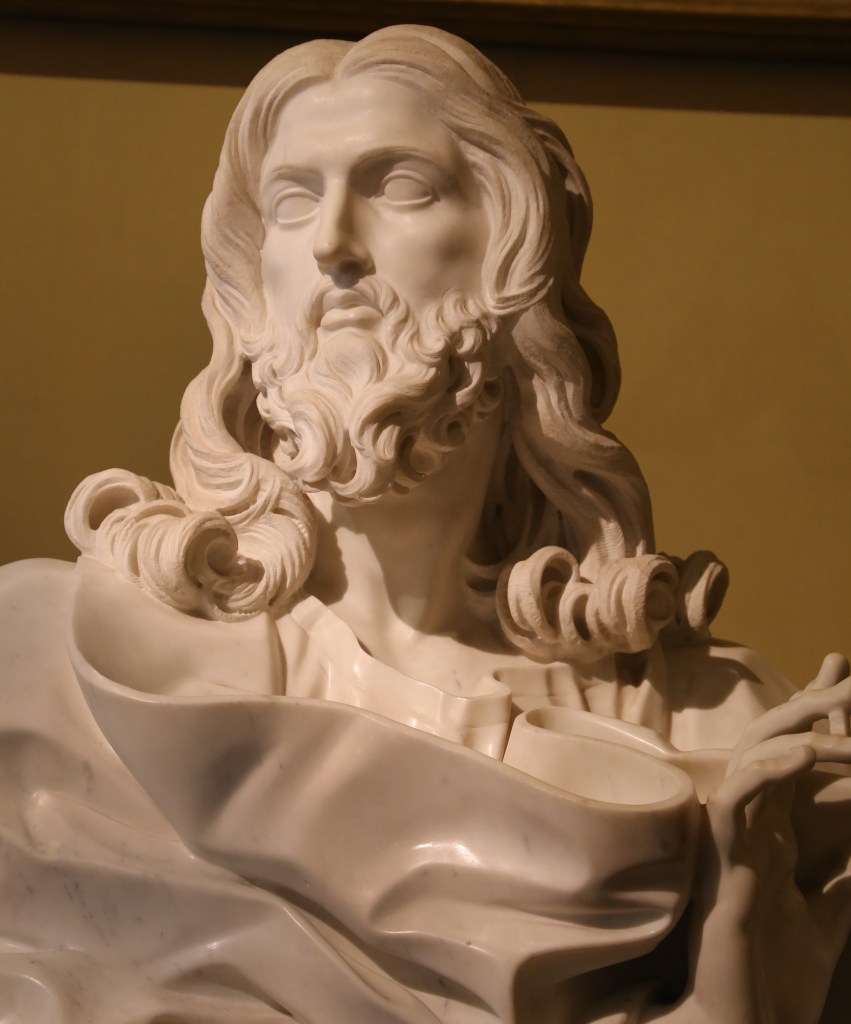
We then come to the Catacombs of San Callisto. This is a massive complex with miles of tunnels that were used to house the remains of early Christians. Because they tend to be quite crowded and the tour is long, I skip them and head to the next catacomb on the Via Appia, the Catacombs at San Sebastiano, which is just down the road from San Callisto. I also prefer San Sebastiano because of the wonderful art in the church there. When we are waiting our turn for our tour to start, I like to wander around the church. My favorite piece is Gian Lorenzo Bernini’s bust of Christ, carved when Bernini was 80 years old.
After all that, it’s time for a break. The Via Appia Antica is the perfect spot for a picnic lunch. A slab of Roman-style pizza bianca, some mortadella, and a chunk of Pecorino Romano are my staples. They’re the perfect combo to keep you going, and they’re quite popular among Romans. I usually buy these ahead of time, but there are also a number of cafes and such along the route.
After lunch, and a quick caffè to help us recharge, we carry on. The afternoon part of the walk, though, is where things get idyllic. The traffic dies down, the Appia Antica becomes increasingly pedestrianized, and the views become more and more rustic. There’s even the occasional shepherd and his sheep!

As we mosey down the Appia Antica, we stop first at the villa of the Roman emperor Maxentius that includes a tomb for his son, his palace, and a giant circus, which is actually better preserved than the Circus Maximus. It’s a wide open green space that’s perfect for wandering around, hanging out in the shade, and listening to the wildlife. It’s really the first part of the Appia Antica that feels like you’ve truly left Rome.

Up next is the Mausoleum of Caecilia Metella, a first-century BC Roman noblewoman. It’s a distinctive building, with its rotunda and large fortress-like structure that in the Middle Ages was used as exactly that by the Caetani family. And right across the street is the Church of San Nicola, a ruined medieval church that fits right into the scene.

Just beyond this is Capo di Bove, an archaeological site that contains the private thermal baths of Herodes Atticus, a second-century AD Roman elite. I like to remind students about the Baths of Caracalla and how, while baths were public and for all people, there were elites who preferred to have private spaces to keep away from the plebs. I like Capo di Bove because of how tucked away and quiet it is. It also has a great gallery space with infographics on the history of the Via Appia up to the modern day.
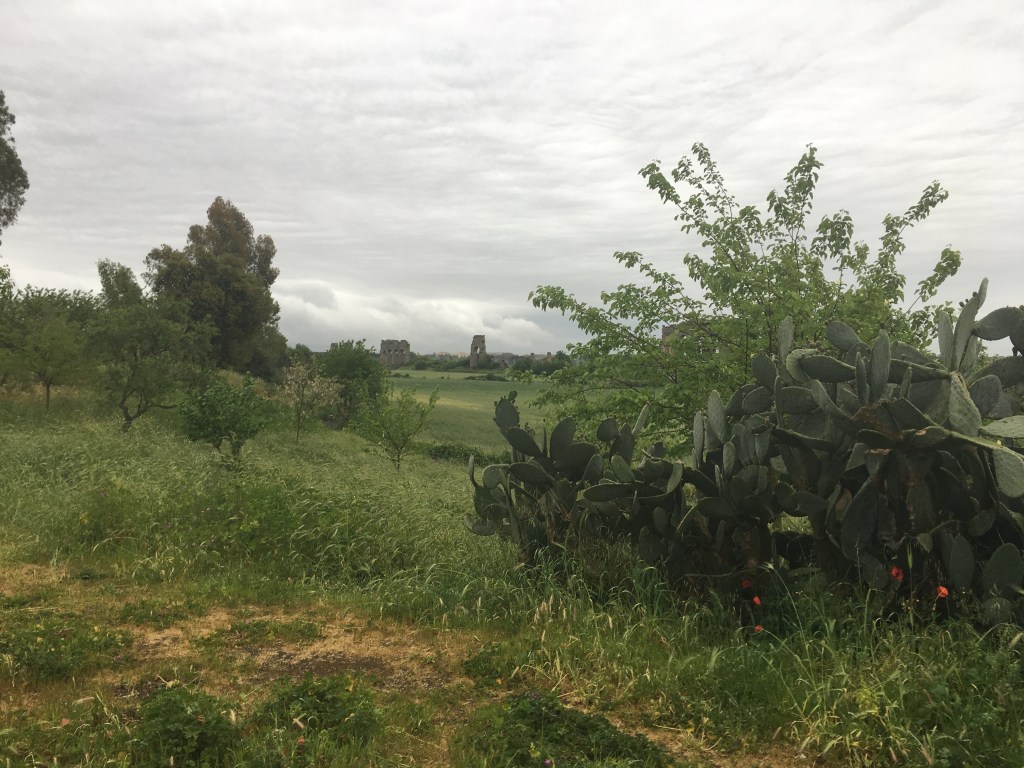
From Capo di Bove, we can walk for miles, check out the many tombs and villas along the way. Inevitably, at some point, you’ll realize you’re still technically in Rome. But for a moment, it feels like you’ve left the city for an entirely different world. Sheep, ancient cobblestones, craggy rocks, wild vegetation. It really doesn’t feel like Rome.
There are many miles left to go on the Via Appia. But rather than continue on the Via Appia, I like to hop onto a bus (this is still Rome, after all!) and finish the day at the Parco degli Acquedotti, where a number of ancient aqueducts still dot the countryside. I love this park because it’s quiet, has wonderful flowers in bloom in the spring, and allows you to get lost without losing your way. It’s a lovely way to wrap up such a long day on your feet. It’s also right by the Metro and is a quick shot back to Prati, where we stay.
You can do any or all of this walk. You can even bike it! But it’s definitely not to be missed.
 Robert Clines, Ph.D.