
Renaissance Rome might have been full of amazing art and monumental architecture. But it was also full of intrigue and violence. Assassinations, poisonings, internecine violence. Renaissance Rome could be a tough place to make a name for yourself. And even if you did reach the pinnacle of power you were hardly immune. If anything, the more power and influence you had, the more enemies you could count on.

This was the experience of Cardinal Ippolito d’Este, son of Alfonso I d’Este, Duke of Ferrara, and Lucrezia Borgia, daughter of Pope Alexander VI and sister of Cesare Borgia. Born in 1509, he was the younger brother of Ercole, the heir to the Duchy of Ferrara. So he entered the Catholic Church to begin his ecclesiastical career, becoming Archbishop of Milan at the ripe old age of 10! He was made a Cardinal before he turned 30. He used all of the family money, connections, and alliances he could to ensure that his rise would continue. It was clear that Ippolito was on a fast track to the papacy itself.
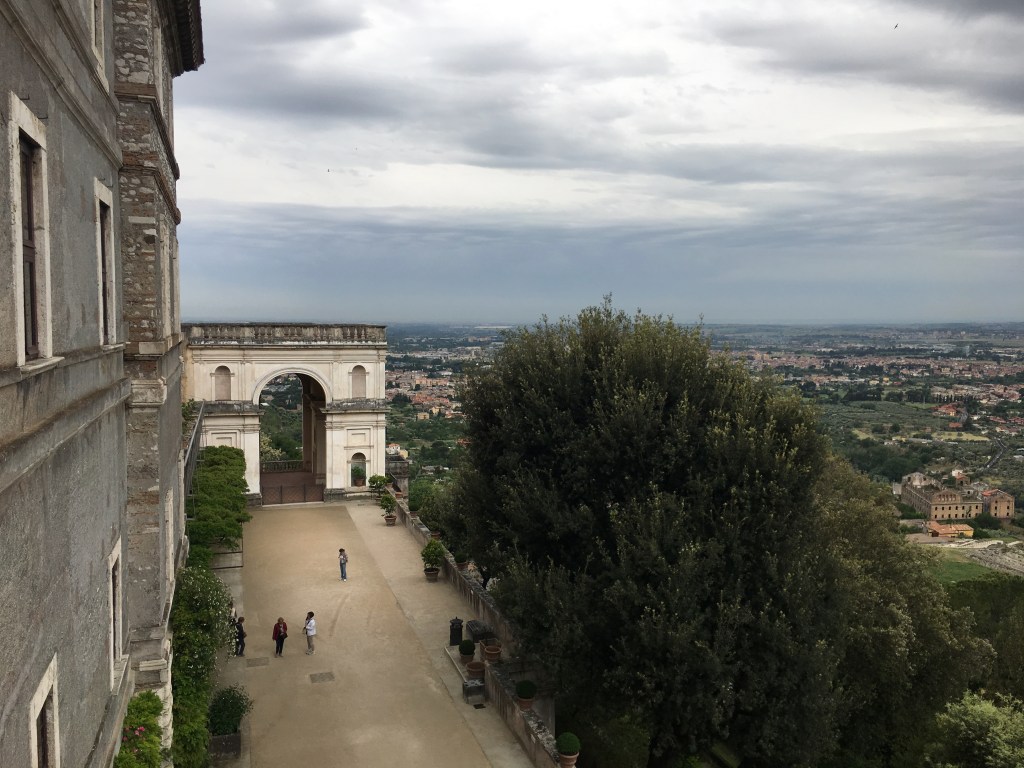
When Pope Paul III died in 1549, Ippolito was sure it was his time. But it wasn’t meant to be. While he had the backing of the French, ultimately the German-favored Julius III was elected. In exchange for withdrawing his candidacy, Ippolito was granted governorship over the town of Tivoli, in the hills outside Rome. While he would try a few more times to become pope, he ultimately settled into his position in Tivoli, building a villa for the ages: Villa d’Este, a monumental Renaissance villa full of gardens, fountains, and breathtaking views of the countryside around Rome.
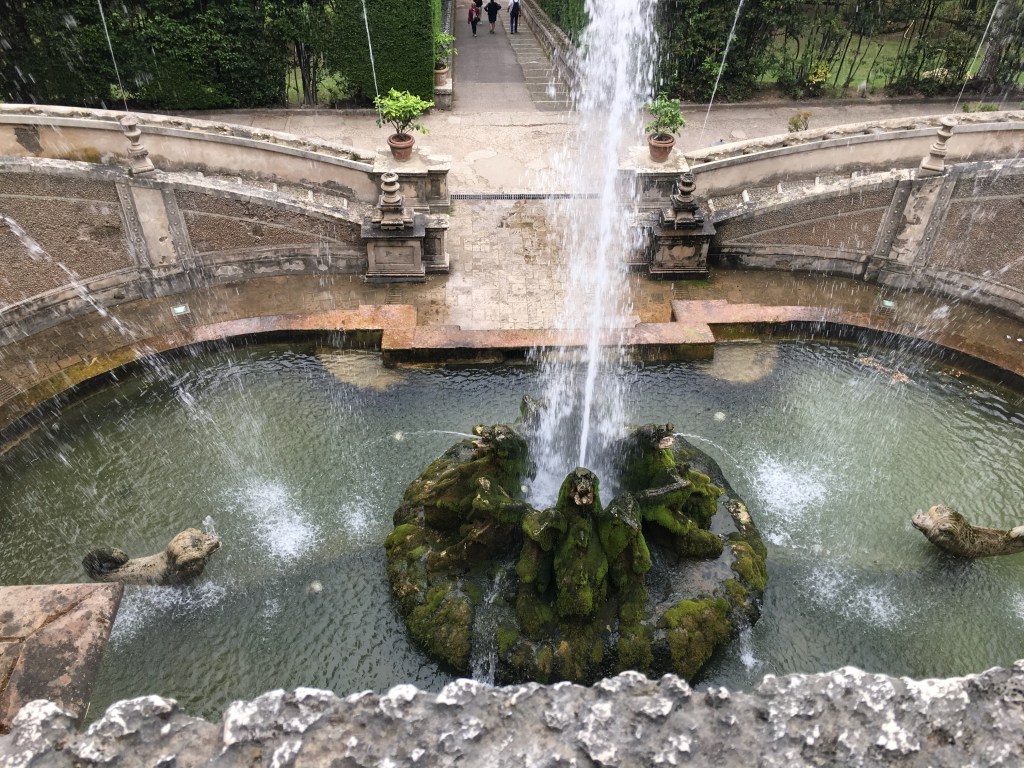
I love to take students here for a day trip. It’s a quick bus ride from Rome and is the perfect bucolic getaway after long days in the Roman sun. It’s no wonder Ippolito settled into Tivoli and built his villa there. The place really gives you a sense of how the rich and famous lived in their country estates.

While the palace has some beautiful frescoes, the real treat is the garden. It’s easy to get lost in the maze of plants, stone, and fountains. Villa d’Este is a marvel of Renaissance engineering. Without modern hydraulics, the fountains and ponds are a wonder to behold.

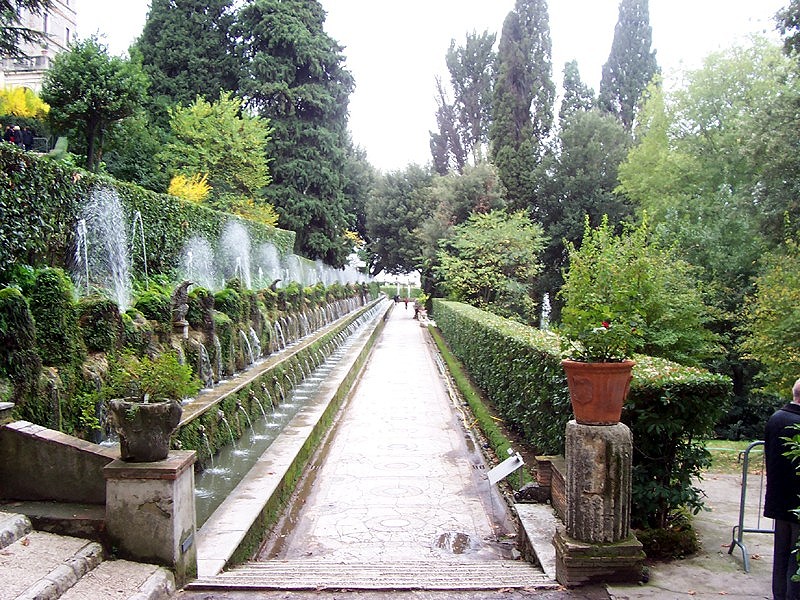
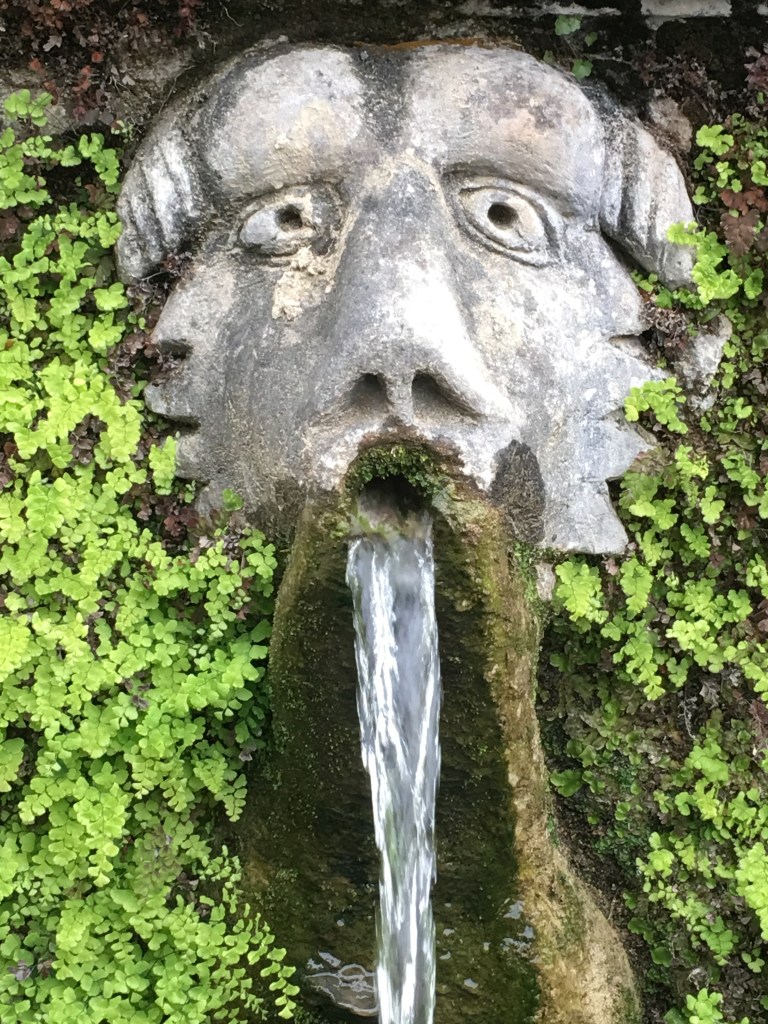
My personal favorite is the One Hundred Fountains, a long walkway linked with grotesque masks that each spew out a little stream of water. The sound of the One Hundred Fountains is tranquil, perfect for a slow walk.
I also love the Fountain of the Organ, which plays music actually created by the water itself! And when you turn around, you get a stunning view of the whole of the gardens, with the Roman countryside off in the distance.

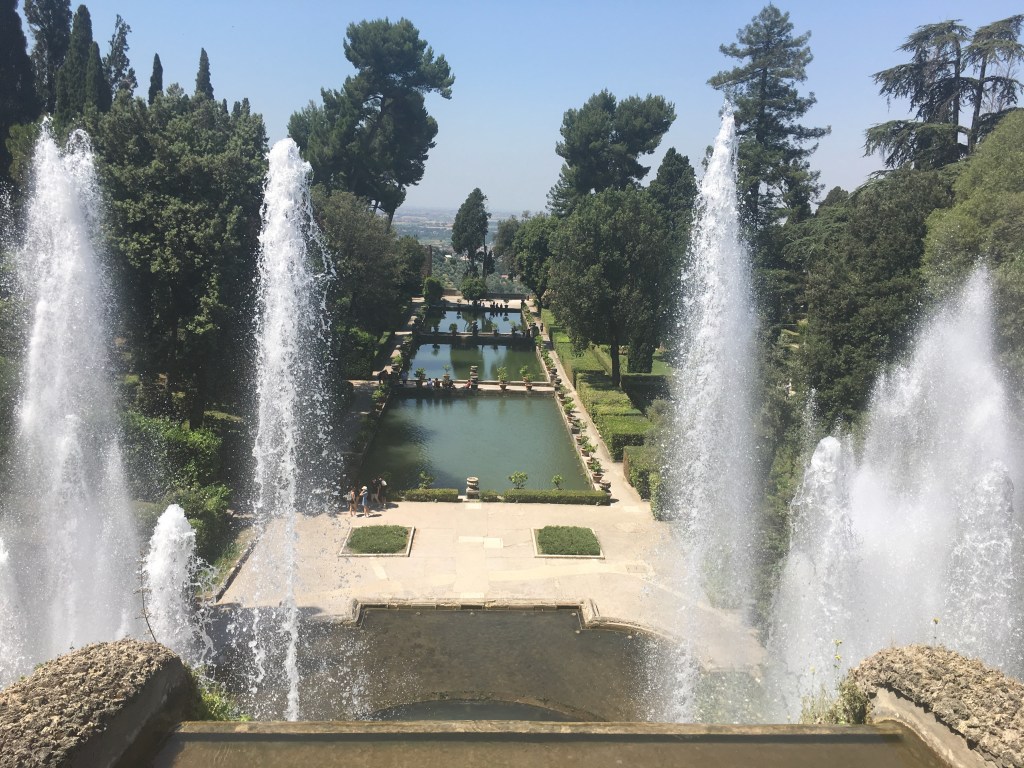
After visiting the gardens, I take the students into town and we have lunch in Tivoli. It’s an ancient city, so I let them wander on their own a bit after lunch before heading back to Rome. It’s a relaxing day, and after all that walking in the heat, a day in the hills is exactly what we all need.
 Robert Clines, Ph.D.